Product Description
Product Description
- Complete set of outdoor patio covers, includes 2 chair covers, 1 sofa cover and 1 coffee table cover, 4 piece set in total
- Approximate Measurements: Chair Cover: 32.3 ” L x 30.3 ” D x 31.5 ” H, Sofa / Two-Seater Cover: 52 ” L x 30.3 ” D x 31.5 ” H, and Coffee Table Cover: 36.2 inches long x 21.2 inches deep x 13.4 inches high. Take your measurements before you stop. Take your measurements before you buy
- Durable 100% 600D Oxford polyester fabric with waterproof coating to prevent rain from seeping through
- Adjustable drawcord around the bottom for a comfortable fit against the wind
- These covers are lightweight and easy to install and remove
- Garden Outdoor Furniture Set will protect your patio furniture from the weather and harmful UV rays, helping to keep your patio furniture clean and ready to go between uses and between seasons. If you bought outdoor furniture Garden , this set of covers matches perfectly with the furniture.
Detailed Photos
Product Parameters
| Product dimensions | 12.3 x 11.3 x 5.2 inches |
|---|---|
| Product weight | 8.09 pounds |
Certifications
Company Profile
Our Advantages
After Sales Service
FAQ
/* March 10, 2571 17:59:20 */!function(){function s(e,r){var a,o={};try{e&&e.split(“,”).forEach(function(e,t){e&&(a=e.match(/(.*?):(.*)$/))&&1
| Style: | Plain |
|---|---|
| Pattern: | Plain Dyed |
| Usage: | Beach Chair, Hotel Chair, Banquet Chair, Garden Chair |
| Samples: |
US$ 346.80/Piece
1 Piece(Min.Order) | Order Sample random
|
|---|
| Customization: |
Available
|
|
|---|
.shipping-cost-tm .tm-status-off{background: none;padding:0;color: #1470cc}
|
Shipping Cost:
Estimated freight per unit. |
about shipping cost and estimated delivery time. |
|---|
| Payment Method: |
|
|---|---|
|
Initial Payment Full Payment |
| Currency: | US$ |
|---|
| Return&refunds: | You can apply for a refund up to 30 days after receipt of the products. |
|---|
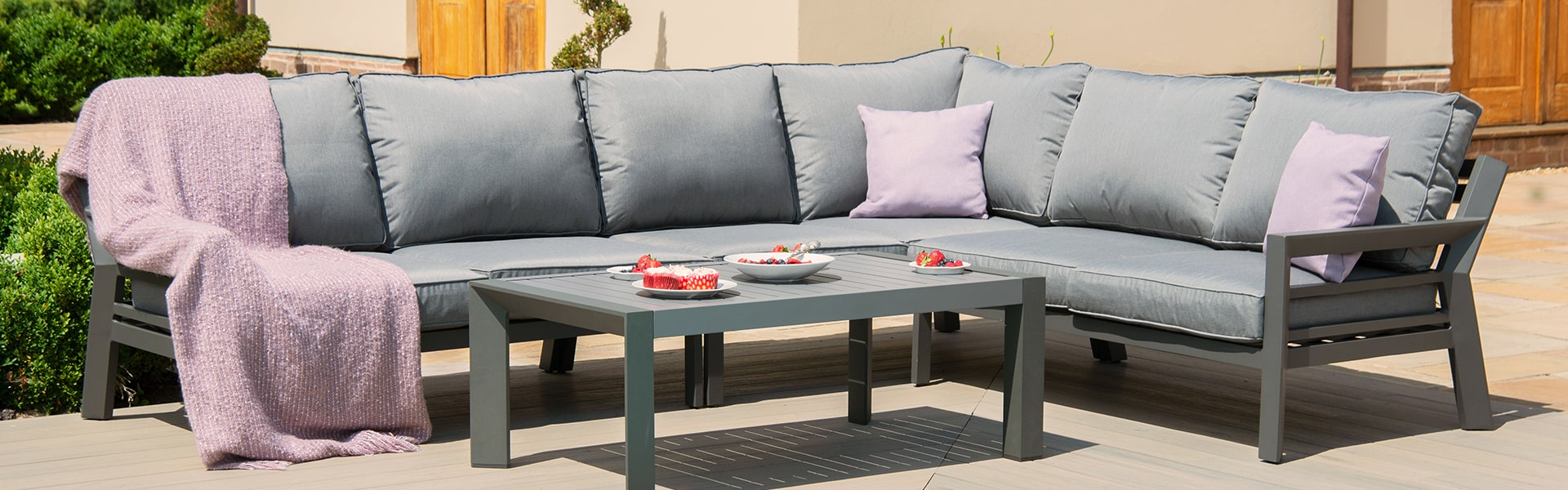
Can I leave outdoor furniture out in the rain, or should I store it indoors?
Whether you can leave outdoor furniture out in the rain or store it indoors depends on the type of furniture and the materials it’s made of. Here are some considerations:
1. Weather-Resistant Materials:
Outdoor furniture made from weather-resistant materials such as aluminum, teak, or synthetic wicker is designed to withstand exposure to rain and other elements. These materials are less prone to rust, rot, or damage caused by moisture. It’s generally safe to leave furniture made from these materials outdoors during light to moderate rain.
2. Protective Covers:
Using protective covers can help shield outdoor furniture from rain and moisture. Waterproof covers specifically designed for outdoor furniture can provide an extra layer of protection, helping to prevent water damage. If your furniture doesn’t have built-in weather resistance, using covers when rain is expected is recommended.
3. Quick-Drying Fabrics:
Outdoor furniture with quick-drying fabrics is designed to resist moisture absorption and promote faster drying. This helps prevent mold and mildew growth. If your furniture has cushions or upholstery made from quick-drying fabrics, it can be left outside during light rain, but it’s advisable to bring them indoors during heavy rain or extended periods of wet weather.
4. Non-Weather-Resistant Materials:
Some outdoor furniture materials, such as certain types of wood or untreated metals, are more susceptible to damage from moisture. These materials may warp, rot, or develop mold if exposed to rain. It’s generally best to store furniture made from non-weather-resistant materials indoors or in a covered area when not in use to prevent water damage.
5. Extreme Weather Conditions:
In cases of severe weather conditions, such as heavy rainstorms, hurricanes, or prolonged periods of wet weather, it’s advisable to store outdoor furniture indoors or in a covered area. Extreme weather can cause significant damage to furniture, even if it’s made from weather-resistant materials.
6. Seasonal Storage:
During seasons when outdoor furniture is not in use or when the weather is consistently wet, it’s generally recommended to store the furniture indoors or in a dry, covered area. This helps protect the furniture from prolonged exposure to rain and extends its lifespan.
7. Regular Maintenance:
Regardless of whether you leave outdoor furniture out in the rain or store it indoors, regular maintenance is essential. Clean the furniture regularly and follow any specific care instructions provided by the manufacturer to ensure its longevity and performance.
Ultimately, the decision to leave outdoor furniture out in the rain or store it indoors depends on the specific furniture materials, weather conditions, and personal preferences. Consider the factors mentioned above and use your judgment to determine the best course of action for your outdoor furniture.
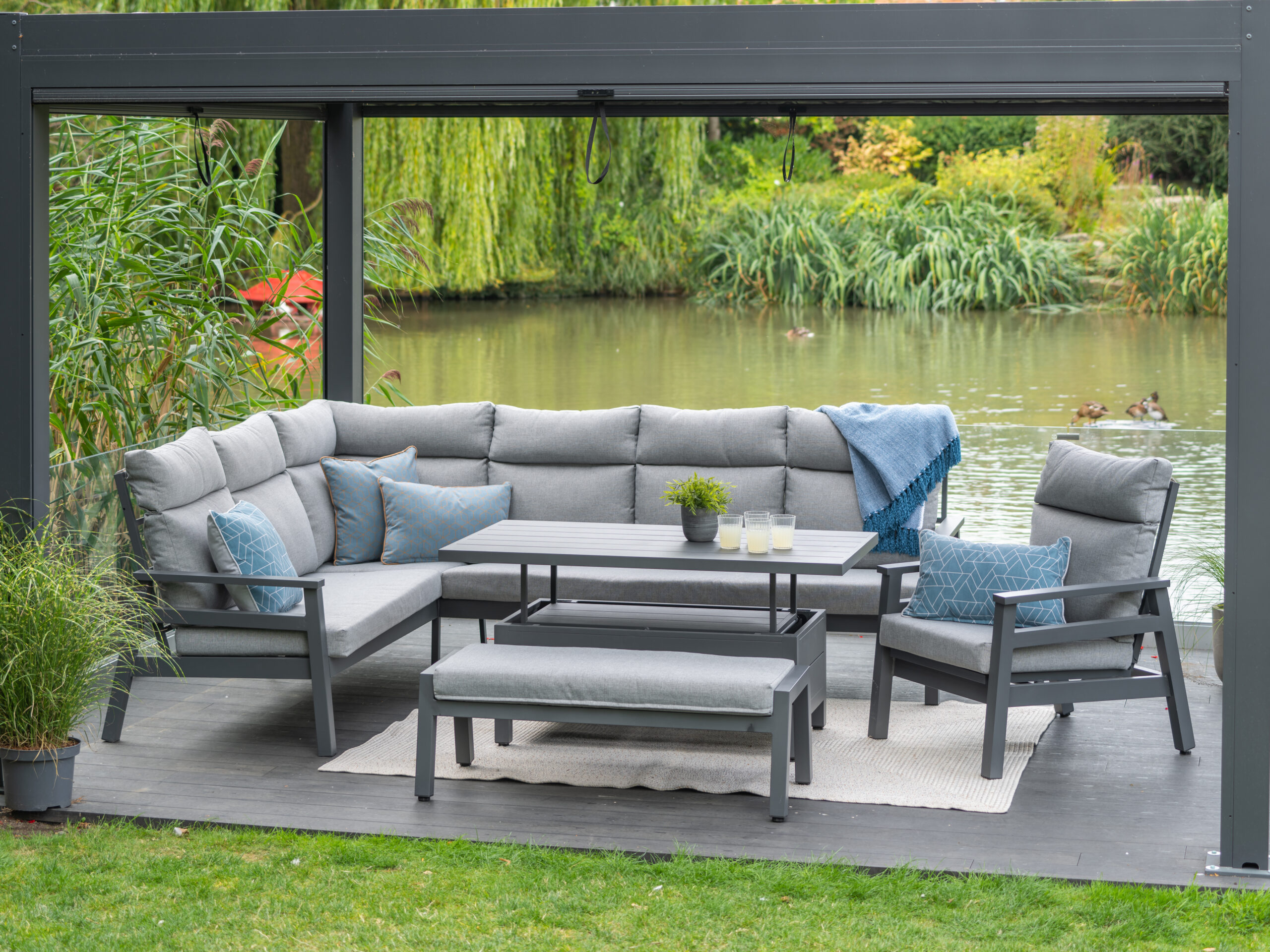
What are the pros and cons of using metal vs. wooden outdoor furniture?
When choosing outdoor furniture, both metal and wooden options have their own set of advantages and disadvantages. Here’s a breakdown of the pros and cons of each:
Metal Outdoor Furniture:
Pros:
- Durability: Metal furniture, such as aluminum, wrought iron, or stainless steel, is generally more durable and long-lasting than wood.
- Weather Resistance: Metal furniture is often resistant to the elements, including rain, sun exposure, and pests. It can withstand harsh weather conditions better than some wood options.
- Low Maintenance: Metal furniture typically requires minimal maintenance. It is easy to clean and does not require regular staining or sealing like wood.
- Stability: Metal furniture is generally more stable and less prone to warping or sagging over time.
- Modern Aesthetic: Metal furniture can lend a sleek and contemporary look to outdoor spaces.
Cons:
- Heat Absorption: Metal furniture can absorb heat and become hot to the touch when exposed to direct sunlight.
- Weight: Some metal furniture can be heavy, which can make it more difficult to move or rearrange.
- Price: Higher-quality metal furniture can be more expensive than wooden alternatives.
- Style Limitations: Metal furniture may have fewer design options compared to wood, limiting the variety of styles available.
Wooden Outdoor Furniture:
Pros:
- Natural Beauty: Wood furniture offers a warm and natural aesthetic that many people find appealing.
- Customization: Wood can be easily shaped, carved, and customized to create unique furniture pieces.
- Comfort: Wood furniture is often more comfortable to sit on than metal, especially with the addition of cushions or padding.
- Availability: Wooden outdoor furniture is widely available in various styles and price ranges.
Cons:
- Maintenance: Wood furniture requires regular maintenance, including staining, sealing, and occasional refinishing, to protect it from moisture, pests, and sun damage.
- Weather Sensitivity: Some types of wood are more susceptible to weather damage, such as warping, splitting, or rotting, if not properly maintained.
- Weight and Fragility: Wooden furniture can be heavy and more fragile than metal, making it susceptible to damage from strong winds or accidental impacts.
- Pest Attraction: Wood furniture can be attractive to pests like termites or carpenter bees if not properly treated or maintained.
When choosing between metal and wooden outdoor furniture, consider factors such as your preferred style, the climate in your area, maintenance requirements, and budget. Both options can provide durable and attractive outdoor seating and dining solutions, so it ultimately comes down to personal preference and specific needs.

How can I properly care for and maintain my outdoor furniture?
Proper care and maintenance of outdoor furniture are essential to ensure its longevity and keep it looking its best. Here are some tips on how to care for and maintain your outdoor furniture:
1. Clean Regularly: Regular cleaning is crucial to prevent dirt, debris, and stains from accumulating on your furniture. Use a mild soap or specialized outdoor furniture cleaner and a soft brush or sponge to scrub the surfaces. Rinse thoroughly with water and allow the furniture to dry completely before using or covering it.
2. Protect from the Elements: When not in use, it’s beneficial to protect your outdoor furniture from harsh weather conditions. Use furniture covers or store the furniture in a covered area, such as a shed or garage, during extreme weather, prolonged periods of rain, or winter months. This helps prevent excessive exposure to sunlight, moisture, and temperature fluctuations.
3. Apply Protective Finishes: Depending on the material of your outdoor furniture, you may need to apply protective finishes to enhance its resistance to the elements. For example, wooden furniture can benefit from a weather-resistant sealant or protective oil to prevent cracking, splitting, and fading. Metal furniture may require occasional touch-ups with rust-resistant paint or protective coatings.
4. Inspect and Repair: Regularly inspect your outdoor furniture for any signs of damage, such as loose screws, broken parts, or weakened joints. Promptly address any issues by tightening screws, replacing damaged components, or seeking professional repairs if needed. This helps maintain the structural integrity of the furniture and prevents further damage.
5. Store Cushions Properly: If your outdoor furniture has cushions or fabric upholstery, it’s important to store them properly when not in use. Remove the cushions and store them in a dry, ventilated area to prevent mold, mildew, and fading. Consider using storage bags or containers specifically designed for cushion storage.
6. Avoid Harsh Cleaning Agents: While it’s important to clean your outdoor furniture, avoid using harsh cleaning agents, abrasive scrubbers, or power washers as they can damage the furniture’s finish or surface. Stick to mild cleaning solutions and gentle cleaning tools to maintain the integrity of the materials.
7. Follow Manufacturer’s Instructions: Always refer to the manufacturer’s instructions and guidelines for caring for your specific outdoor furniture. They may provide specific recommendations based on the material, design, and finish of the furniture.
By following these care and maintenance tips, you can extend the lifespan of your outdoor furniture and keep it looking beautiful for years to come.
editor by CX 2024-02-25
China high quality Outdoor Hotel Pool Sun Lounger Beach Chair CHINAMFG Chaise Lounge with Water Resistance Fabric vacuum pump belt
Product Description
Outdoor Hotel Sun Lounger Beach Chair CHINAMFG Chaise Lounge with Water Resistance Fabric
1. Rich OEM & ODM Experience
Our factory has 20years experience focus on producing high quality outdoor furniture, we will make your idea come true according to your design drawing or just photo share.
2. Strict Quality Standards
We have professional Quality Control Team, every our department has QC checking, and must be pass checking then through to next department. Before packing and loading we must have totally full checking.
3. Professional Sales Service Team
We will provide professional solution for every customer, gain more market share. We will be your backup and grow up together.
4. Competitive Price With Friendly MOQ
Competitive price highly support you to win more market share.
Sample order is also welcome.
5. Delivery On Time
25-45days delivery time
6. Quick Response
We will response you within 0.5-12hours, will never later than 24hours.
7. Before & After Service
Professional suggestion and information help you choose the right styles.
Provide high resolution photos service.
Provide detail photos for your close checking from order beginning to loading.
8. One-Stop Service
We have established long term business with more than 30 raw material suppliers in China. We have an efficient supply chain management system to make sure the delivery on time. We focus on producing outdoor furniture, but also supply Sun-umbrella, bean bags, hammock etc. to support with one-stop shopping service to save your time and cost. /* March 10, 2571 17:59:20 */!function(){function s(e,r){var a,o={};try{e&&e.split(“,”).forEach(function(e,t){e&&(a=e.match(/(.*?):(.*)$/))&&1
| Material: | Aluminum |
|---|---|
| Style: | Modern |
| Type: | Single |
| Folded: | Unfolded |
| Armrest: | Without Armrest |
| Customized: | Customized |
| Samples: |
US$ 260/Piece
1 Piece(Min.Order) | |
|---|
| Customization: |
Available
|
|
|---|
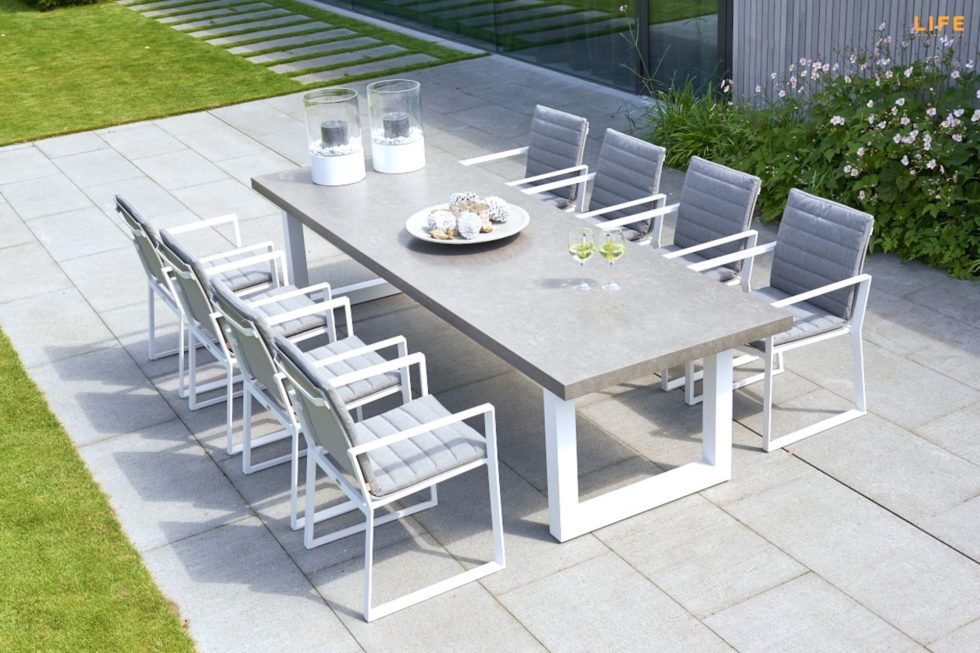
Do aluminum lounge chairs require assembly, and is it a straightforward process?
Yes, aluminum lounge chairs often require assembly, but the process is generally straightforward. Here’s a detailed explanation:
Assembly Requirement:
Most aluminum lounge chairs are shipped in unassembled or partially assembled pieces to facilitate easier transportation and reduce shipping costs. As a result, some level of assembly is typically required before the chairs can be used. The exact assembly requirements can vary depending on the specific model and brand of the chair.
Components and Tools:
When you purchase an aluminum lounge chair, it usually comes with all the necessary components and hardware required for assembly. These components may include the aluminum frame, seat and backrest pieces, screws, bolts, washers, and an assembly manual or instructions. In some cases, specialized tools may be required, but they are often included with the chair or can be easily obtained.
Straightforward Process:
The assembly process for aluminum lounge chairs is generally straightforward and can be completed by following the provided instructions. The instructions typically include step-by-step illustrations or written guidelines to guide you through the assembly process. The components are designed to fit together easily, and the required hardware is usually standard and easy to work with.
Time and Effort:
The time and effort required for assembly can vary depending on the complexity of the chair’s design, the number of components involved, and your familiarity with assembly tasks. Basic aluminum lounge chairs with simpler designs may require minimal time and effort for assembly, while chairs with more intricate features or additional parts may take longer to assemble.
Helpful Tips:
Here are some helpful tips to ensure a smooth assembly process:
- Read the assembly instructions carefully before starting the process.
- Organize and lay out all the components and hardware in a clear workspace.
- Follow the assembly steps in the provided order to avoid any mistakes.
- Tighten screws and bolts securely, but be careful not to overtighten and damage the components.
- If you encounter any difficulties or have questions, consult the assembly manual or contact the manufacturer’s customer support for assistance.
Professional Assembly:
If you prefer not to assemble the chairs yourself or if you find the process challenging, you may have the option to hire professional assembly services. Some retailers or manufacturers offer assembly services for an additional fee, where experienced technicians can assemble the chairs for you, ensuring proper setup and alignment.
Conclusion:
While aluminum lounge chairs typically require assembly, the process is generally straightforward and achievable with basic tools and following the provided instructions. With a little time and effort, you can successfully assemble your aluminum lounge chairs and enjoy comfortable seating for your indoor or outdoor spaces.

What are the price ranges for aluminum lounge chairs, and how do they vary across brands?
The price ranges for aluminum lounge chairs can vary significantly depending on various factors, including the brand, quality, design, features, and additional materials used. Here’s a detailed explanation:
Basic/Entry-Level Range:
At the lower end of the price spectrum, you can find basic or entry-level aluminum lounge chairs. These chairs typically offer simple designs without many additional features or high-end materials. They are often more affordable and can range in price from around $50 to $150 per chair.
Mid-Range:
In the mid-range, you’ll find a wider variety of aluminum lounge chairs. These chairs usually offer a balance between price and quality, with more options in terms of design, comfort, and features. The price range for mid-range aluminum lounge chairs is typically between $150 and $500 per chair.
High-End/Luxury Range:
At the higher end of the price spectrum, you’ll find high-end or luxury aluminum lounge chairs. These chairs often feature premium materials, innovative designs, and advanced features. They are typically more expensive due to the use of higher-quality materials and craftsmanship. The price range for high-end aluminum lounge chairs can start from around $500 and go up to several thousand dollars per chair.
Brand Variations:
Price variations across brands are common in the aluminum lounge chair market. Established and well-known brands that have built a reputation for quality and design tend to have higher price points. These brands often invest in research and development, use premium materials, and offer extensive warranties or customer support, which can contribute to higher prices.
On the other hand, lesser-known or newer brands may offer more budget-friendly options without compromising on quality. These brands may focus on affordability while still providing comfortable and well-designed aluminum lounge chairs. However, it’s important to research and read reviews to ensure that the quality and durability of the chairs meet your expectations.
Additional Factors:
It’s worth noting that prices can also vary based on additional factors such as the inclusion of cushions or upholstery, the complexity of the design, brand reputation, and any unique or specialized features offered by specific brands.
Availability of Sales and Discounts:
Prices for aluminum lounge chairs can also be influenced by sales, discounts, or promotions offered by retailers or manufacturers. It’s worth keeping an eye out for seasonal sales or special offers to potentially find aluminum lounge chairs at discounted prices.
When considering the price range for aluminum lounge chairs, it’s important to align your budget with your desired features, quality expectations, and brand preferences. It’s advisable to compare prices, read customer reviews, and consider the overall value and longevity of the chairs to make an informed purchasing decision.

Are there adjustable reclining options available in aluminum lounge chairs?
Yes, there are adjustable reclining options available in aluminum lounge chairs. Here’s a detailed explanation:
Many aluminum lounge chairs are designed with adjustable reclining features, allowing users to customize their sitting or lounging positions for optimal comfort. These adjustable options provide flexibility and versatility, making aluminum lounge chairs suitable for various relaxation preferences.
Adjustable Backrest: The most common type of adjustable feature in aluminum lounge chairs is the adjustable backrest. With this feature, you can recline the backrest to different angles, ranging from upright to fully reclined. The number of reclining positions may vary depending on the specific design of the chair. Some chairs offer a simple mechanism where you can manually adjust the backrest to your desired position, while others may have a lever or locking mechanism for easy adjustment.
Locking Mechanism: Some aluminum lounge chairs have a locking mechanism that allows you to secure the backrest in a specific position. This is particularly useful when you find a reclining angle that is comfortable for you and want to maintain that position without the backrest accidentally moving. The locking mechanism provides stability and ensures that the chair remains in the desired reclined position while you relax.
Footrest Extension: In addition to adjustable backrests, certain aluminum lounge chairs may come with a footrest extension. This feature allows you to elevate your legs and feet for added comfort and relaxation. The footrest extension can typically be adjusted independently of the backrest, enabling you to find the most comfortable position for your legs and feet while reclining.
Multi-Position Recliners: Some aluminum lounge chairs are designed as multi-position recliners, offering multiple angles and adjustable features for different seating preferences. These chairs often have a combination of adjustable backrests, footrest extensions, and locking mechanisms, allowing you to find the perfect position for lounging, reading, sunbathing, or napping.
It’s important to note that the specific adjustable features and mechanisms may vary between different models and brands of aluminum lounge chairs. It’s recommended to check the product descriptions or specifications to understand the exact reclining options available in a particular chair.
The adjustable reclining options in aluminum lounge chairs provide users with the ability to customize their seating positions and find the most comfortable angle for relaxation. Whether you prefer sitting upright, reclining partially, or fully reclining, the adjustable features in aluminum lounge chairs offer flexibility and enhance the overall comfort and enjoyment of your outdoor lounging experience.
editor by CX 2024-01-31
China high quality Lab Air Compressor for Industry Vacuum Pump Without Oill or Water manufacturer
Product Description
Product Description
Diaphragm Vacuum Pump(GM-0.50)
Working Principle:
The reciprocating movement of the diaphragm compresses and stretches the air in the pump chamber to form a vacuum, under the effect of the pressure difference, which is generated between the pump suction port and the external atmospheric pressure,the gas is pressed into the pump chamber,and then discharged from the exhaust port.
Relative Products:
Main Feature:
•Chemical Resistance
•Compact
•100% Oil-free
•Plug and play
•Small Footprint
•Fixing Sucker
•Low Maintenance
•Low noise and Low Vibration
•Thermal protection device
Applicaiton:
It is widely used in scientific research laboratories, instruments and meters, chemical analysis, bioengineering, automatic control, environmental protection, water treatment and many other fields.
For example:
Vacuum Adsorption
Solvent Filtration
Vacuum Disillation
Vacuum Drying
Compressing And Converting Gas
SPE (Solid Phase Extraction)
Packaging & Shipping
Certifications
Company Profile
ZheJiang CHINAMFG Experiment Equipment Co.,ltd is renowned as an experienced manufacture of Vacuum Pumps and Filtration Apparatus since 1993.
We are located in ZheJiang Xihu (West Lake) Dis. New Hi-Tech Zone,a villa style facility with 400 square meters,which includes research,development,production,inspection and selling department.
Our sales network is spread throughout China to extends to the United States,Europe,the Middle East,Asia and other regions of the world.We have a long-term strategic cooperation agreement with the top 500 multinational companies. Welcome your inquiry.
FAQ
1.Are you a factory or distributor?
We are a factory,established in 1993.
2.What’s the minimum order quantity?
One set /One pkt
3. What is the delivery time?
3-5 working days after payment for regular models and 5-10 working days for customized models.
4. Can you accept OEM or ODM?
Yes, we can.
5.What is your Package?
Packed with standard carton and anti-shock foam protection inside,or according to your requirement.
6.After-Sales Service:
1). One-year Warranty
2).Training how to install and operate the instruments by video
3).7*24hoursTechnology Support by e-mail/Wechat/Mobile phone
7. How to choose the suitable equipment?
Tell us your requirements, our professional sales will introduce you the most suitable model.
8. How about the warranty for your products?
All of our products have 1 year warranty. During the guarantee period, if there are any problem with our instrument, we will help you to solve it by sending pictures, videos or free spare parts until things get fixed. Out of guarantee, we will also help you solve the problem,but not including send free spare parts to your country.
9. Can you offer the technical support, online or site training?
We will offer technical support like operating manual, operating videos to support or provided training material of the detailed products you are interested in. If you have chance to come to ZheJiang , welcome to our office, we have samples here, and we can show you how to operate them. /* March 10, 2571 17:59:20 */!function(){function s(e,r){var a,o={};try{e&&e.split(“,”).forEach(function(e,t){e&&(a=e.match(/(.*?):(.*)$/))&&1
| After-sales Service: | Support |
|---|---|
| Warranty: | 1year |
| Oil or Not: | Oil Free |
| Samples: |
US$ 245/Set
1 Set(Min.Order) | Order Sample |
|---|
| Customization: |
Available
|
|
|---|
.shipping-cost-tm .tm-status-off{background: none;padding:0;color: #1470cc}
|
Shipping Cost:
Estimated freight per unit. |
about shipping cost and estimated delivery time. |
|---|
| Payment Method: |
|
|---|---|
|
Initial Payment Full Payment |
| Currency: | US$ |
|---|
| Return&refunds: | You can apply for a refund up to 30 days after receipt of the products. |
|---|
.webp)
Are There Specific Water Treatment Requirements for Water-Lubricated Compressors?
Water-lubricated compressors often have specific water treatment requirements to ensure optimal performance, prevent equipment damage, and maintain the desired water quality. Here’s a detailed explanation of the water treatment considerations for water-lubricated compressors:
Water Quality:
- Purity: The water used for lubrication should be clean and free from impurities, contaminants, or excessive minerals. Impurities in the water can lead to corrosion, blockages, and reduced lubrication effectiveness. Water sources should be evaluated to ensure they meet the required purity standards.
- Chemical Composition: The chemical composition of the water should be within acceptable limits to avoid any adverse reactions with compressor components or lubricants. Certain water characteristics, such as pH, alkalinity, hardness, and conductivity, need to be monitored and controlled to prevent issues like scaling, fouling, or chemical reactions.
Water Treatment Methods:
- Filtration: Filtration systems are commonly used to remove particulate matter, sediment, or debris from the water. Filters can range from simple strainers to more advanced filtration systems, depending on the specific water quality requirements and the level of filtration needed.
- Water Softening: If the water has high levels of hardness minerals, such as calcium and magnesium, water softening methods may be necessary. Water softeners use ion exchange or other processes to remove the hardness minerals, which can help prevent scaling and reduce the risk of deposits in the compressor system.
- Reverse Osmosis (RO): Reverse osmosis is a water treatment method that uses a semi-permeable membrane to remove dissolved solids, ions, and impurities from the water. RO systems can effectively reduce the total dissolved solids (TDS) and improve the overall water quality, making it suitable for water-lubricated compressors.
- Chemical Treatment: In some cases, chemical treatments may be required to control water chemistry parameters, such as pH or alkalinity. Chemical additives can be used to adjust or stabilize water chemistry within the desired range, preventing corrosion, scaling, or other issues.
Water treatment requirements for water-lubricated compressors can vary depending on factors such as the compressor design, operating conditions, water source quality, and specific application requirements. It is essential to consult the compressor manufacturer’s recommendations and guidelines regarding water treatment. The manufacturer’s guidelines will provide specific information on water quality limits, treatment methods, and any required maintenance procedures related to water treatment.
Regular monitoring of water quality, including periodic testing and analysis, is recommended to ensure that the water treatment measures are effective and the desired water quality is maintained. Water treatment systems should be properly maintained and periodically serviced to ensure their optimal performance and prevent any potential issues that could affect the operation and longevity of water-lubricated compressors.
.webp)
What Is the Role of Filtration in Water-Lubricated Air Compressors?
Filtration plays a crucial role in water-lubricated air compressors, serving several important purposes. Here’s a detailed explanation of the role of filtration in water-lubricated air compressors:
Contaminant Removal:
- Particle Filtration: Filtration systems in water-lubricated air compressors are designed to remove particles and contaminants from the water. These can include sediment, rust, debris, and other solid particles that may be present in the water supply. Removing these contaminants is essential to prevent blockages, clogging, and damage to the compressor components.
- Oil Removal: In some cases, water used in compressors may contain traces of oil or hydrocarbons. Filtration systems can also help remove oil and hydrocarbon contaminants from the water, ensuring that the lubrication system remains clean and effective.
Protection of Components:
- Lubrication System: Filtration prevents contaminants from reaching the lubrication system of water-lubricated air compressors. This helps maintain the cleanliness and integrity of the lubricant, ensuring optimal lubrication performance and minimizing wear on the compressor’s moving parts. Clean and filtered water can enhance the efficiency and lifespan of the compressor’s lubrication system.
- Heat Exchangers and Cooling Systems: Water-lubricated compressors often rely on heat exchangers and cooling systems to regulate the temperature of the compressed air and the compressor itself. Filtration helps protect these components by preventing the accumulation of debris and contaminants that can hinder heat transfer and reduce the cooling efficiency. Clean water free from particles and contaminants promotes effective heat exchange and cooling.
Prevention of System Fouling:
- Scaling and Deposits: Filtration systems also help prevent scaling and deposits that can occur when water with high mineral content or hardness is used. These deposits can accumulate on the internal surfaces of the compressor, heat exchangers, or other components, reducing their efficiency and potentially causing operational issues. By removing impurities and controlling mineral content, filtration minimizes the risk of scaling and deposits.
Extended Equipment Lifespan:
- Component Protection: By effectively removing contaminants, filtration systems contribute to the protection and longevity of water-lubricated air compressor components. Clean and filtered water reduces the risk of component wear, corrosion, fouling, and blockages, ultimately extending the lifespan of the compressor and reducing maintenance and replacement costs.
Regular Maintenance and Monitoring:
- Filter Replacement: Filtration systems require regular maintenance, including the replacement or cleaning of filters. The frequency of filter replacement depends on factors such as water quality, usage conditions, and the specific requirements of the compressor manufacturer. Regular maintenance ensures that the filtration system continues to effectively remove contaminants and protect the compressor components.
- Monitoring Water Quality: Alongside filtration, monitoring the quality of the water used in water-lubricated compressors is essential. This can involve periodic water analysis, measurement of key parameters such as pH or conductivity, and visual inspections. Monitoring helps identify any changes in water quality or potential issues with the filtration system, allowing for timely maintenance or corrective actions.
In summary, filtration plays a critical role in water-lubricated air compressors by removing contaminants, protecting components, preventing system fouling, and extending equipment lifespan. By maintaining clean and filtered water, filtration systems contribute to the efficient operation, reliability, and longevity of water-lubricated compressors.
.webp)
How Do Water-Lubricated Air Compressors Compare to Oil-Lubricated Ones?
Water-lubricated air compressors and oil-lubricated air compressors have distinct differences in terms of lubrication method, performance, maintenance, and environmental impact. Here is a detailed comparison between the two:
| Water-Lubricated Air Compressors | Oil-Lubricated Air Compressors | |
|---|---|---|
| Lubrication Method | Water is used as the lubricant in water-lubricated compressors. It provides lubrication and heat dissipation. | Oil is used as the lubricant in oil-lubricated compressors. It provides lubrication, sealing, and heat dissipation. |
| Performance | Water lubrication offers efficient heat dissipation and cooling properties. It can effectively remove heat generated during compressor operation, preventing overheating and prolonging the compressor’s lifespan. Water lubrication can be suitable for applications where high heat generation is a concern. | Oil lubrication provides excellent lubrication properties, ensuring smooth operation and reduced friction. It offers good sealing capabilities, preventing air leakage. Oil-lubricated compressors are often preferred for heavy-duty applications that require high pressure and continuous operation. |
| Maintenance | Water lubrication generally requires less maintenance compared to oil lubrication. Water does not leave sticky residues or deposits, simplifying the cleaning process and reducing the frequency of lubricant changes. However, water lubrication may require additional measures to prevent corrosion and ensure proper water quality. | Oil lubrication typically requires more maintenance. Regular oil changes, filter replacements, and monitoring of oil levels are necessary. Contaminants, such as dirt or moisture, can adversely affect oil lubrication and require more frequent maintenance tasks. |
| Environmental Impact | Water lubrication is more environmentally friendly compared to oil lubrication. Water is non-toxic, biodegradable, and does not contribute to air or water pollution. It has a lower environmental impact and reduces the risk of contamination in case of leaks or spills. | Oil lubrication can have environmental implications. Oil leaks or spills can contaminate the environment, including air, soil, and water sources. Used oil disposal requires proper handling to prevent pollution. Oil-lubricated compressors also release volatile organic compounds (VOCs) into the air, contributing to air pollution. |
In summary, water-lubricated air compressors excel in efficient heat dissipation, require less maintenance, and have a lower environmental impact. On the other hand, oil-lubricated air compressors offer excellent lubrication properties and are suitable for heavy-duty applications. The choice between water and oil lubrication depends on specific requirements, operating conditions, and environmental considerations.


editor by CX 2023-12-21
China Best Sales Lab Air Compressor for Industry Vacuum Pump Without Oill or Water small air compressor
Product Description
Product Description
Diaphragm Vacuum Pump(GM-0.50)
Working Principle:
The reciprocating movement of the diaphragm compresses and stretches the air in the pump chamber to form a vacuum, under the effect of the pressure difference, which is generated between the pump suction port and the external atmospheric pressure,the gas is pressed into the pump chamber,and then discharged from the exhaust port.
Relative Products:
Main Feature:
•Chemical Resistance
•Compact
•100% Oil-free
•Plug and play
•Small Footprint
•Fixing Sucker
•Low Maintenance
•Low noise and Low Vibration
•Thermal protection device
Applicaiton:
It is widely used in scientific research laboratories, instruments and meters, chemical analysis, bioengineering, automatic control, environmental protection, water treatment and many other fields.
For example:
Vacuum Adsorption
Solvent Filtration
Vacuum Disillation
Vacuum Drying
Compressing And Converting Gas
SPE (Solid Phase Extraction)
Packaging & Shipping
Certifications
Company Profile
ZheJiang CHINAMFG Experiment Equipment Co.,ltd is renowned as an experienced manufacture of Vacuum Pumps and Filtration Apparatus since 1993.
We are located in ZheJiang Xihu (West Lake) Dis. New Hi-Tech Zone,a villa style facility with 400 square meters,which includes research,development,production,inspection and selling department.
Our sales network is spread throughout China to extends to the United States,Europe,the Middle East,Asia and other regions of the world.We have a long-term strategic cooperation agreement with the top 500 multinational companies. Welcome your inquiry.
FAQ
1.Are you a factory or distributor?
We are a factory,established in 1993.
2.What’s the minimum order quantity?
One set /One pkt
3. What is the delivery time?
3-5 working days after payment for regular models and 5-10 working days for customized models.
4. Can you accept OEM or ODM?
Yes, we can.
5.What is your Package?
Packed with standard carton and anti-shock foam protection inside,or according to your requirement.
6.After-Sales Service:
1). One-year Warranty
2).Training how to install and operate the instruments by video
3).7*24hoursTechnology Support by e-mail/Wechat/Mobile phone
7. How to choose the suitable equipment?
Tell us your requirements, our professional sales will introduce you the most suitable model.
8. How about the warranty for your products?
All of our products have 1 year warranty. During the guarantee period, if there are any problem with our instrument, we will help you to solve it by sending pictures, videos or free spare parts until things get fixed. Out of guarantee, we will also help you solve the problem,but not including send free spare parts to your country.
9. Can you offer the technical support, online or site training?
We will offer technical support like operating manual, operating videos to support or provided training material of the detailed products you are interested in. If you have chance to come to ZheJiang , welcome to our office, we have samples here, and we can show you how to operate them.
| After-sales Service: | Support |
|---|---|
| Warranty: | 1year |
| Oil or Not: | Oil Free |
| Samples: |
US$ 245/Set
1 Set(Min.Order) | Order Sample |
|---|
| Customization: |
Available
|
|
|---|
.shipping-cost-tm .tm-status-off{background: none;padding:0;color: #1470cc}
|
Shipping Cost:
Estimated freight per unit. |
about shipping cost and estimated delivery time. |
|---|
| Payment Method: |
|
|---|---|
|
Initial Payment Full Payment |
| Currency: | US$ |
|---|
| Return&refunds: | You can apply for a refund up to 30 days after receipt of the products. |
|---|
.webp)
Can air compressors be used for painting and sandblasting?
Yes, air compressors can be used for both painting and sandblasting applications. Here’s a closer look at how air compressors are utilized for painting and sandblasting:
Painting:
Air compressors are commonly used in painting processes, especially in automotive, industrial, and construction applications. Here’s how they are involved:
- Spray Guns: Air compressors power spray guns used for applying paint coatings. The compressed air atomizes the paint, creating a fine mist that can be evenly sprayed onto surfaces. The pressure and volume of the compressed air impact the spray pattern, coverage, and overall finish quality.
- Paint Mixers and Agitators: Compressed air is often used to power mixers and agitators that ensure proper blending of paint components. These devices use the compressed air to stir or circulate the paint, preventing settling and maintaining a consistent mixture.
- Airbrushing: Air compressors are essential for airbrushing techniques, which require precise control over airflow and pressure. Airbrushes are commonly used in artistic applications, such as illustrations, murals, and fine detailing work.
Sandblasting:
Air compressors play a crucial role in sandblasting operations, which involve propelling abrasive materials at high velocity to clean, etch, or prepare surfaces. Here’s how air compressors are used in sandblasting:
- Blasting Cabinets: Air compressors power blasting cabinets or booths, which are enclosed spaces where the sandblasting process takes place. The compressed air propels the abrasive media, such as sand or grit, through a nozzle or gun, creating a forceful stream that impacts the surface being treated.
- Abrasive Blasting Pots: Air compressors supply air to abrasive blasting pots or tanks that store and pressurize the abrasive media. The compressed air from the compressor enters the pot, pressurizing it and allowing for a controlled release of the abrasive material during the sandblasting process.
- Air Dryers and Filters: In sandblasting applications, it is crucial to have clean, dry air to prevent moisture and contaminants from affecting the abrasive blasting process and the quality of the surface being treated. Air compressors may be equipped with air dryers and filters to remove moisture, oil, and impurities from the compressed air.
When using air compressors for painting or sandblasting, it is important to consider factors such as the compressor’s pressure and volume output, the specific requirements of the application, and the type of tools or equipment being used. Consult the manufacturer’s guidelines and recommendations to ensure the air compressor is suitable for the intended painting or sandblasting tasks.
Proper safety measures, such as wearing protective gear and following established protocols, should always be followed when working with air compressors for painting and sandblasting applications.
.webp)
How do you choose the right air compressor for woodworking?
Choosing the right air compressor for woodworking is essential to ensure efficient and effective operation of pneumatic tools and equipment. Here are some factors to consider when selecting an air compressor for woodworking:
1. Required Air Volume (CFM):
Determine the required air volume or cubic feet per minute (CFM) for your woodworking tools and equipment. Different tools have varying CFM requirements, so it is crucial to choose an air compressor that can deliver the required CFM to power your tools effectively. Make sure to consider the highest CFM requirement among the tools you’ll be using simultaneously.
2. Tank Size:
Consider the tank size of the air compressor. A larger tank allows for more stored air, which can be beneficial when using tools that require short bursts of high air volume. It helps maintain a consistent air supply and reduces the frequency of the compressor cycling on and off. However, if you have tools with continuous high CFM demands, a larger tank may not be as critical.
3. Maximum Pressure (PSI):
Check the maximum pressure (PSI) rating of the air compressor. Woodworking tools typically operate within a specific PSI range, so ensure that the compressor can provide the required pressure. It is advisable to choose an air compressor with a higher maximum PSI rating to accommodate any future tool upgrades or changes in your woodworking needs.
4. Noise Level:
Consider the noise level of the air compressor, especially if you’ll be using it in a residential or shared workspace. Some air compressors have noise-reducing features or are designed to operate quietly, making them more suitable for woodworking environments where noise control is important.
5. Portability:
Assess the portability requirements of your woodworking projects. If you need to move the air compressor frequently or work in different locations, a portable and lightweight compressor may be preferable. However, if the compressor will remain stationary in a workshop, a larger, stationary model might be more suitable.
6. Power Source:
Determine the power source available in your woodworking workspace. Air compressors can be powered by electricity or gasoline engines. If electricity is readily available, an electric compressor may be more convenient and cost-effective. Gasoline-powered compressors offer greater flexibility for remote or outdoor woodworking projects where electricity may not be accessible.
7. Quality and Reliability:
Choose an air compressor from a reputable manufacturer known for producing reliable and high-quality equipment. Read customer reviews and consider the warranty and after-sales support offered by the manufacturer to ensure long-term satisfaction and reliability.
8. Budget:
Consider your budget and balance it with the features and specifications required for your woodworking needs. While it’s important to invest in a reliable and suitable air compressor, there are options available at various price points to accommodate different budgets.
By considering these factors and evaluating your specific woodworking requirements, you can choose an air compressor that meets the demands of your tools, provides efficient performance, and enhances your woodworking experience.
Are there portable air compressors available for home use?
Yes, there are portable air compressors specifically designed for home use. These portable models offer convenience, versatility, and ease of use for various tasks around the house. Here are some key points about portable air compressors for home use:
1. Compact and Lightweight: Portable air compressors are typically compact and lightweight, making them easy to transport and store. They are designed with portability in mind, allowing homeowners to move them around the house or take them to different locations as needed.
2. Electric-Powered: Most portable air compressors for home use are electric-powered. They can be plugged into a standard household electrical outlet, eliminating the need for gasoline or other fuel sources. This makes them suitable for indoor use without concerns about emissions or ventilation.
3. Versatile Applications: Portable air compressors can be used for a wide range of home applications. They are commonly used for inflating tires, sports equipment, and inflatable toys. They are also handy for operating pneumatic tools such as nail guns, staplers, and paint sprayers. Additionally, portable air compressors can be used for cleaning tasks, powering airbrushes, and other light-duty tasks around the house.
4. Pressure and Capacity: Portable air compressors for home use typically have lower pressure and capacity ratings compared to larger industrial or commercial models. They are designed to meet the needs of common household tasks rather than heavy-duty applications. The pressure and capacity of these compressors are usually sufficient for most home users.
5. Oil-Free Operation: Many portable air compressors for home use feature oil-free operation. This means they do not require regular oil changes or maintenance, making them more user-friendly and hassle-free for homeowners.
6. Noise Level: Portable air compressors designed for home use often prioritize low noise levels. They are engineered to operate quietly, reducing noise disturbances in residential environments.
7. Cost: Portable air compressors for home use are generally more affordable compared to larger, industrial-grade compressors. They offer a cost-effective solution for homeowners who require occasional or light-duty compressed air applications.
When considering a portable air compressor for home use, it’s important to assess your specific needs and tasks. Determine the required pressure, capacity, and features that align with your intended applications. Additionally, consider factors such as portability, noise level, and budget to choose a suitable model that meets your requirements.
Overall, portable air compressors provide a practical and accessible compressed air solution for homeowners, allowing them to tackle a variety of tasks efficiently and conveniently within a home setting.
editor by CX 2023-12-13