Product Description
| Name | Standard Gas Spring |
| Use | Automobile, Toolbox, Car, Furniture, Machines, Mechanical Equipment, Boat, Container etc. |
| Quality Standards | 1.180,000 times -passed fatigue test |
| 2.ROHS certificated by SGS | |
| 3.Passed ISO9001 Quality System Certification | |
| Material | Steel |
| Stainless Steel 304 | |
| Stainless Steel 316 | |
| endfittings | ball connector/metal eye/clevis and so on |
| Advantages | 1. Pass 180,000 Times Fatigue Times |
| 2.Up to 36hours salt spray test | |
| 3. 3-5 years product warranty | |
| 4. Fast Delivery Time: 1000 pcs 3 Days | |
| 5. Free Sample avaiable | |
| Trade Term | FOB ZheJiang or C&F price if you need |
| Gas Spring Parameter | |||
| Piston Dia | Tube Dia | Stroke(max) | F1 |
| mm | mm | mm | N |
| 6 | 15 | 150 | 50-400 |
| 8 | 18 | 250 | 50-600 |
| 10 | 22 | 400 | 100-1150 |
| 12 | 25 | 450 | 100-1600 |
| 14 | 28 | 500 | 500-2100 |
FAQ
Cathy: Are you factory?
JR: Yes,We are a manufacturer factory. We have plant area There Thousand square meters, and we are keeping extending our plant.We have about 10-20employees in different departments.
Customer: What is your price terms?
JR:Normally FOB(free on board) , CIF(cost insurance and freight)
Customer: What is your payment terms?
JR :Generally T/T 30% deposit, the balance should be paid by T/T before shipment .
Customer: How can I visit your factory or office?
JR:Welcome you visit our factory or office for business negotiation. Please try to contact our staff first by email or telephone. We will make the soonest appointment and arrangement the pick up.
Customer: Can you produce the goods as customer design?
JR :Welcome you send us the design or sample, we will calculated the cost and unit price to you in soonest.
Customer: May I get your sample for free?
JR :Sure, you will get our free sample. But the freight should be paid under your freight collected account in the first cooperation.
Customer: How about the products packing?
JR:Packing as the different products and different sizes, we have professional export design CHINAMFG for our customer, and we could as customer required.
| Function: | Pressed |
|---|---|
| Material: | Paint Steel/ Stainless Steel |
| Usage: | Industrial, Auto, Furniture, Home Appliance |
| Load Type: | Compression |
| Shape: | Slender |
| Length: | Can Be Customed |
| Samples: |
US$ 10/Piece
1 Piece(Min.Order) | |
|---|
| Customization: |
Available
|
|
|---|

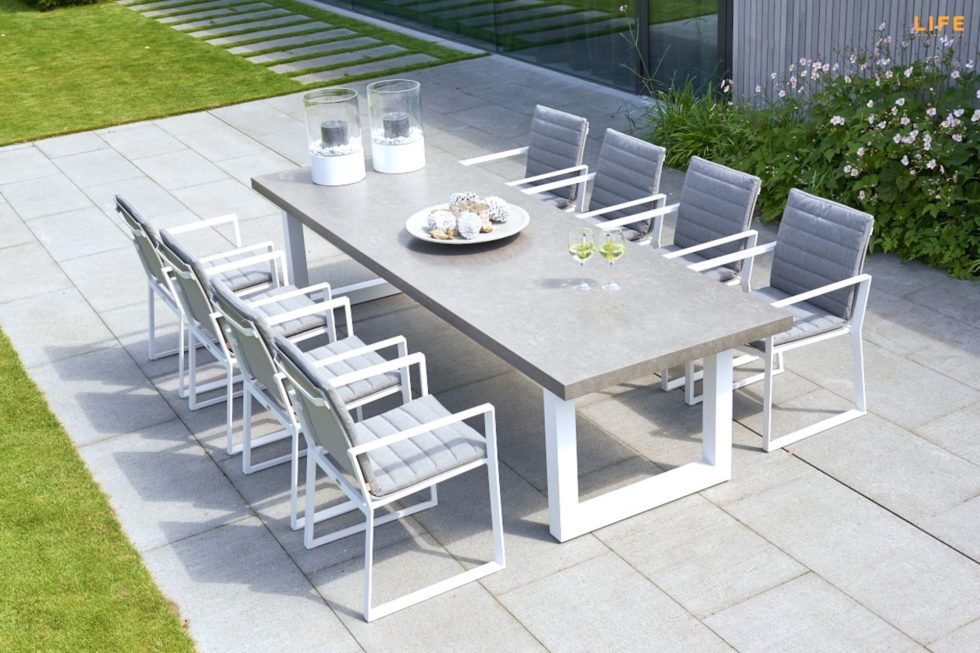
Are there any specific outdoor furniture recommendations for hot and sunny climates?
When choosing outdoor furniture for hot and sunny climates, it’s important to consider materials and features that can withstand the intense heat and sun exposure. Here are some specific recommendations:
1. Heat-Resistant Materials:
Opt for outdoor furniture made from heat-resistant materials such as aluminum, wrought iron, or teak. These materials have the ability to withstand high temperatures without warping or deteriorating.
2. UV-Resistant Fabrics:
Choose outdoor furniture with UV-resistant fabrics for cushions and upholstery. These fabrics are designed to resist fading and damage from prolonged sun exposure.
3. Breathable Fabrics:
In hot climates, it’s essential to choose outdoor furniture with breathable fabrics that allow for air circulation. Look for materials like mesh, quick-drying fabrics, or open-weave designs that promote airflow and help keep you cool.
4. Light Colors:
Light-colored outdoor furniture tends to reflect sunlight rather than absorb it, helping to keep the furniture and seating surfaces cooler. Opt for furniture in neutral or light shades to minimize heat absorption.
5. Shade Options:
Consider outdoor furniture that incorporates built-in shade options. Look for features like umbrellas, canopies, or pergolas that provide shade and protection from direct sunlight.
6. Ventilation and Airflow:
Choose outdoor furniture designs that facilitate ventilation and airflow. Look for slatted designs or furniture with open weaves that allow air to circulate freely, reducing heat buildup.
7. Portable and Versatile:
In hot climates, it can be beneficial to have furniture that is portable and versatile. Look for lightweight pieces that are easy to move and rearrange to take advantage of shade or breeze as the day progresses.
8. Storage Options:
Consider outdoor furniture that offers storage options. This can include built-in storage compartments or furniture that can be easily disassembled and stored during extreme weather conditions or extended periods of non-use.
9. Regular Maintenance:
Proper maintenance is crucial for outdoor furniture in hot and sunny climates. Regularly clean and protect the furniture according to the manufacturer’s instructions to prolong its lifespan and preserve its appearance.
By considering these recommendations, you can select outdoor furniture that is well-suited to hot and sunny climates, providing both comfort and durability in the face of intense heat and sun exposure.
What should I look for in outdoor furniture covers to protect against rain and sun?
When selecting outdoor furniture covers to protect against rain and sun, there are several factors to consider. Here are some key features to look for:
1. Waterproof or Water-Resistant Material: Look for covers made from waterproof or water-resistant materials to protect your outdoor furniture from rain. Materials such as polyester, vinyl, or specially coated fabrics are effective in repelling water and preventing it from seeping through the cover and damaging the furniture.
2. UV Protection: Sun exposure can cause fading, discoloration, and deterioration of outdoor furniture. Ensure that the covers you choose offer UV protection to shield your furniture from harmful UV rays. Look for covers made from materials with UV-resistant coatings or those specifically designed to block UV radiation.
3. Durable Construction: Outdoor furniture covers should be constructed with durable materials and strong stitching to withstand the elements. Look for covers with reinforced seams and high-quality materials that can resist tearing and abrasion. Reinforced corners or straps can also help secure the covers in place during windy conditions.
4. Proper Fit: It’s important to choose covers that fit your outdoor furniture properly. Covers that are too small may not provide adequate protection, while those that are too large may be prone to being blown away or collecting water. Look for covers with adjustable straps, drawstrings, or elastic hems that allow you to secure them snugly around the furniture.
5. Breathability: While it’s essential for outdoor furniture covers to be waterproof, they should also be breathable to prevent the buildup of condensation and promote airflow. Look for covers with vents or mesh panels that allow moisture to escape, reducing the risk of mold or mildew formation.
6. Ease of Use and Maintenance: Consider covers that are easy to put on and take off your outdoor furniture. Covers with features like zipper closures, Velcro straps, or buckles can make the process more convenient. Additionally, look for covers that are easy to clean and maintain, as they will require periodic washing to remove dirt, debris, and stains.
7. Warranty: Check if the outdoor furniture covers come with a warranty. A warranty indicates that the manufacturer stands behind the quality and durability of their product.
When purchasing outdoor furniture covers, it’s advisable to measure your furniture dimensions accurately and choose covers that are designed for your specific furniture type or style. This will ensure a better fit and optimal protection.

How can I properly care for and maintain my outdoor furniture?
Proper care and maintenance of outdoor furniture are essential to ensure its longevity and keep it looking its best. Here are some tips on how to care for and maintain your outdoor furniture:
1. Clean Regularly: Regular cleaning is crucial to prevent dirt, debris, and stains from accumulating on your furniture. Use a mild soap or specialized outdoor furniture cleaner and a soft brush or sponge to scrub the surfaces. Rinse thoroughly with water and allow the furniture to dry completely before using or covering it.
2. Protect from the Elements: When not in use, it’s beneficial to protect your outdoor furniture from harsh weather conditions. Use furniture covers or store the furniture in a covered area, such as a shed or garage, during extreme weather, prolonged periods of rain, or winter months. This helps prevent excessive exposure to sunlight, moisture, and temperature fluctuations.
3. Apply Protective Finishes: Depending on the material of your outdoor furniture, you may need to apply protective finishes to enhance its resistance to the elements. For example, wooden furniture can benefit from a weather-resistant sealant or protective oil to prevent cracking, splitting, and fading. Metal furniture may require occasional touch-ups with rust-resistant paint or protective coatings.
4. Inspect and Repair: Regularly inspect your outdoor furniture for any signs of damage, such as loose screws, broken parts, or weakened joints. Promptly address any issues by tightening screws, replacing damaged components, or seeking professional repairs if needed. This helps maintain the structural integrity of the furniture and prevents further damage.
5. Store Cushions Properly: If your outdoor furniture has cushions or fabric upholstery, it’s important to store them properly when not in use. Remove the cushions and store them in a dry, ventilated area to prevent mold, mildew, and fading. Consider using storage bags or containers specifically designed for cushion storage.
6. Avoid Harsh Cleaning Agents: While it’s important to clean your outdoor furniture, avoid using harsh cleaning agents, abrasive scrubbers, or power washers as they can damage the furniture’s finish or surface. Stick to mild cleaning solutions and gentle cleaning tools to maintain the integrity of the materials.
7. Follow Manufacturer’s Instructions: Always refer to the manufacturer’s instructions and guidelines for caring for your specific outdoor furniture. They may provide specific recommendations based on the material, design, and finish of the furniture.
By following these care and maintenance tips, you can extend the lifespan of your outdoor furniture and keep it looking beautiful for years to come.
editor by CX 2023-12-14
China Good quality 220V AC Power Oil Free Silent Cylinder Piston Air Compressor air compressor CHINAMFG freight
Product Description
Product Description
Features of the products
Small size, light weight, large exhaust volume, clean gas without oil, easy to install.
Purposes of the products
Can be used to transport cement, grain, lime, plastic, feed and other granular materials and powder materials tank truck, tank ship; It can also be used as an air power source for gas delivery devices.
| Machine type | HYCW-10/2 Single Cylinder (cast iron model) | |
| item | unit | Parameter value |
| Air displacement | m3 / min | 10 |
| Exhaust pressure | MPa | 0.2 |
| Shaft power | KW | ≤35 |
| Specific power | KW / m3 . min -1 | 3.5 |
| Inspiratory temperature | ºC | ≤40 |
| Exhaust temperature | ºC | ≤160 |
| Lubricating oil temperature | ºC | 65 |
| cleanliness | Mg | 720 |
| noise | Db ( A ) | 70 |
| weight | KG | 225 |
| Rotational speed | r / min | 980 |
| torque | N . M | 341 |
| Overall dimension | mm (Length * width * height) | 976.5 * 620 * 760 |
| Installation position | Seated mounting | |
Hot Products
Company Profile
The products cover 31 provinces of china, cities and autonomous regions, and export to more than 50 countries and regions.
Packaging & Shipping
FAQ
Q1.Dose your company has your own factory?
A:Yes,we have a factory ourself.which is in this business for 15 years in China.
Our factory is in the trailer base LiangShan,ZheJiang ,China.
Q2. What is your terms of payment?
A: T/T 30% as deposit, and 70% before delivery. We’ll show you the photos of the products and packages before you pay the balance.
Q3. What is your terms of delivery?
A: EXW, FOB, CFR, CIF, DDU.
Q4. How about your delivery time?
A: Generally, it will take 30 to 60 days after receiving your advance payment. The specific delivery time depends on the items and the quantity of your order.
Q5. Can you produce according to the samples?
A: Yes, we can produce by your samples or technical drawings. We can build the molds and fixtures.
Q6. What is your sample policy?
A: We can supply the sample if we have ready parts in stock, but the customers have to pay the sample cost and the courier cost.
Q7. Do you test all your goods before delivery?
A: Yes, we have 100% test before delivery
Q8: How do you make our business long-term and good relationship?
A:1. We keep good quality and competitive price to ensure our customers benefit ; 2. We respect every customer as our friend and we sincerely do business and make friends with them, no matter where they come from.
| After-sales Service: | 7*24 Hours |
|---|---|
| Warranty: | 6 Months |
| Weight: | 210kg |
| Noise: | 70dB(a) |
| Lubricating Oil Temperature: | 65ºC |
| Exhaust Temperature: | <=160ºC |
| Customization: |
Available
|
|
|---|
.webp)
What Is the Role of Water Separators in Water-Lubricated Compressors?
In water-lubricated compressors, water separators play a crucial role in maintaining the integrity and performance of the compressed air system. Here’s a detailed explanation of their role:
Water separators, also known as moisture separators or condensate separators, are components within the compressed air system that are specifically designed to remove water or moisture from the compressed air stream. They help ensure that the compressed air remains dry and free from excessive moisture, which can cause various issues in the system and downstream equipment.
The primary role of water separators in water-lubricated compressors is to separate and remove water that is present in the compressed air due to the compression process and condensation. Here’s how they accomplish this:
- Condensate Separation: During the compression of air, moisture present in the air is compressed along with the air molecules. As the compressed air cools down after the compression stage, the moisture condenses into liquid form. Water separators are designed to efficiently separate this condensate from the compressed air stream, preventing it from entering downstream equipment, pipelines, or end-use applications.
- Gravity and Centrifugal Separation: Water separators utilize various separation principles to separate the condensate from the compressed air. Gravity-based separators rely on the difference in density between the water droplets and the compressed air to allow the water to settle at the bottom of the separator, where it can be drained out. Centrifugal separators use centrifugal force to spin the air and water mixture, causing the water droplets to be thrown outwards and collected in a separate chamber.
- Coalescing and Filtration: Water separators often incorporate coalescing and filtration mechanisms to enhance their efficiency. Coalescing filters are used to capture and merge small water droplets into larger droplets, making it easier for the separator to separate them from the compressed air. Filtration elements, such as fine mesh or media, may be incorporated to remove any remaining water droplets or particulate matter that could potentially pass through the separator.
- Automatic Drainage: To ensure continuous and efficient operation, water separators are equipped with automatic drain valves. These valves periodically or on demand, expel the collected condensate from the separator. Automatic drainage prevents the accumulation of water in the separator, which can lead to reduced separation efficiency, increased pressure drop, and potential damage to downstream equipment.
By effectively removing water and moisture from the compressed air stream, water separators help prevent issues such as corrosion, clogging, freezing, and degradation of pneumatic equipment and processes. They contribute to maintaining the quality and reliability of the compressed air system while protecting downstream components and applications from the negative effects of moisture.
It is important to note that proper sizing, installation, and maintenance of water separators are essential to ensure their optimal performance. Regular inspection and maintenance of the separators, including draining the collected condensate, replacing filtration elements, and checking for any leaks or malfunctions, are necessary to ensure the efficient operation of water-lubricated compressors and the overall compressed air system.
How Do You Troubleshoot Common Problems with Water-Lubrication Systems?
When encountering common problems with water-lubrication systems, it is essential to follow a systematic troubleshooting approach. Here’s a detailed explanation of the steps involved in troubleshooting common issues with water-lubrication systems:
Step 1: Identify the Problem:
The first step is to identify the specific problem or symptom that is affecting the water-lubrication system. Common problems may include inadequate lubrication, water leaks, abnormal noises, or reduced system performance. Understanding the specific issue will help in determining the appropriate troubleshooting steps.
Step 2: Check Water Supply:
Verify that there is a proper water supply to the system. Ensure that the water source is connected and flowing adequately. Check for any obstructions or restrictions in the water lines that may be affecting the water flow to the lubrication system.
Step 3: Inspect Water Filters and Strainers:
Water filters and strainers are used in water-lubrication systems to remove debris and impurities from the water. Inspect these filters and strainers for clogs or blockages that may be hindering the water flow. Clean or replace the filters as necessary to ensure proper water filtration.
Step 4: Verify Water Pressure:
Check the water pressure within the system to ensure it falls within the recommended range. Low water pressure can result in inadequate lubrication, while high water pressure can cause leaks or damage to the system. Use a pressure gauge to measure the water pressure and adjust it if necessary according to the manufacturer’s guidelines.
Step 5: Examine Water-Lubrication Components:
Closely inspect the various components of the water-lubrication system, including the water pump, distribution lines, lubrication points, and seals. Look for signs of wear, damage, or misalignment that may be contributing to the problem. Tighten loose connections and replace any damaged or worn-out components as needed.
Step 6: Check for Air in the System:
Air trapped within the water-lubrication system can affect its performance. Bleed the system to remove any trapped air. Follow the manufacturer’s instructions for bleeding air from the system, which typically involves opening specific valves or vents until a steady flow of water is achieved.
Step 7: Inspect Cooling Mechanisms:
Water-lubrication systems often incorporate cooling mechanisms, such as heat exchangers or radiators, to dissipate excess heat. Inspect these cooling components for blockages, corrosion, or leaks that may be compromising their effectiveness. Clean or repair the cooling mechanisms as necessary to ensure proper heat dissipation.
Step 8: Consult Manufacturer Documentation:
If the troubleshooting steps above do not resolve the problem, refer to the manufacturer’s documentation, such as the user manual or technical specifications. These resources may provide specific troubleshooting guidelines, diagnostics, or additional maintenance procedures for the water-lubrication system.
Step 9: Seek Professional Assistance:
If the problem persists or if the troubleshooting steps are beyond your expertise, it is advisable to seek professional assistance. Contact the manufacturer’s technical support or consult a qualified technician with experience in water-lubrication systems. They can provide expert guidance and assistance in resolving complex issues.
By following these troubleshooting steps, you can effectively identify and address common problems encountered in water-lubrication systems, ensuring optimal performance and reliability.
.webp)
What is a water lubrication air compressor?
A water lubrication air compressor, also known as a water-injected air compressor, is a type of compressor that utilizes water as a lubricant and cooling medium in its operation. Unlike traditional air compressors that rely on oil for lubrication, water lubrication air compressors offer specific advantages and are commonly used in certain applications. Here’s an overview of how water lubrication air compressors work and their key characteristics:
Working Principle:
In a water lubrication air compressor, the compression process involves injecting a controlled amount of water into the compression chamber. The water acts as a lubricant and cooling agent, ensuring smooth operation and preventing excessive heat buildup. As the air is compressed, the water lubricates the internal components, reducing friction and wear.
Advantages:
1. Reduced Environmental Impact: One of the significant advantages of water lubrication air compressors is their reduced environmental impact. These compressors eliminate the need for oil lubrication, resulting in lower oil consumption and the elimination of oil-related contamination risks. This makes them a more environmentally friendly option, particularly in applications where oil contamination must be avoided, such as in food processing or pharmaceutical industries.
2. Enhanced Air Quality: Water lubrication air compressors produce cleaner compressed air compared to oil-lubricated compressors. The absence of oil in the compression process eliminates the risk of oil carryover into the air system. This is essential in applications where clean and oil-free compressed air is required, such as in electronics manufacturing or spray painting.
3. Improved Energy Efficiency: Water lubrication air compressors can offer improved energy efficiency compared to oil-lubricated compressors. The water injected during the compression process helps in cooling the air, reducing the energy required for subsequent cooling and drying processes. This can lead to energy savings and lower operating costs.
4. Lower Maintenance Requirements: Water lubrication air compressors generally have lower maintenance requirements compared to oil-lubricated compressors. The absence of oil means no oil changes or oil filter replacements, simplifying maintenance tasks and reducing costs. However, regular checks and maintenance of the water filtration system are necessary to ensure the water quality and prevent any potential contamination issues.
Applications:
Water lubrication air compressors are commonly used in applications where clean and oil-free compressed air is critical. Some typical applications include:
- Food and beverage processing
- Pharmaceutical manufacturing
- Electronics manufacturing
- Spray painting and coating
- Laboratories and research facilities
- Dental offices
These compressors provide a reliable and environmentally friendly solution for industries and applications that require high-quality compressed air without oil contamination.


editor by CX 2023-12-13